
Is there anything more beautiful than cherry blossom season in Japan?
With sakura season in full bloom, let's dive deep into hanami celebrations in Japan (and how much it would cost to travel there).
When is cherry blossom season in Japan?
Hoping to see Japan's cherry blossoms this year? It's important to know when the flowers are predicted to bloom, as it changes from year to year.
We recommend checking the Japan Meteorological Corporation (JMC) for bloom updates. The image below shows the latest forecast (February 5th) for flowers to reach full bloom in 2026.
.png)
Sakura and spirituality
Cherry blossoms in Japanese culture
夕月や一かたまりに散る櫻
moon at twilight,
a cluster of petals falling
from the cherry tree
- 正岡子規 Masaoka Shiki (1867-1902)
Cherry blossoms have captured the imaginations of poets and artists for millennia. The delicate flowers bloom only fleetingly – for about one week – before falling to the earth in a shower of pale pink petals. And it’s this fleeting beauty which captures the essence of the Japanese aesthetic mono no aware.
SAKURA & MONO NO AWARE
Mono no aware is feeling sensitivity to the bittersweetness of impermanence. It’s about seeing the beauty in the ephemerality of life. Just as the cherry blossoms are most beautiful when the petals start to flutter to the earth, life is preciously fleeting, and the even the most beautiful moments are temporary. Mono no aware is a sweet, nostalgic, wistful emotion tinged with sadness. But it also inspires a deep appreciation for life, with a renewed sense to cherish every moment. And so, cherry blossoms have come to symbolise the transience of human life, hope, and renewal.
SAKURA & MYTHOLOGY
In Shinto mythology (Shinto being one of the primary religions in Japan), the goddess of cherry blossoms is known as Konohanasakuya-hime. She was said to be so radiantly beautiful that when Ninigi-no-Mikoto (who himself was the heavenly grandson of Amaterasu Ōmikami - the Sun Goddess - and ancestor to the first Japanese Emperor) was walking along the ocean and caught glimpse of Konohanasakuya-hime, he begged her father for her hand in marriage. Her father offered his eldest daughter’s hand in marriage instead, who was Iwa-Naga-Hime – the Rock Princess. However, Ninigi-no-Mikoto was in love with Konohanasakuya-hime and chose to wed her instead. The descendants of Ninigi-no-Mikoto and Konohanasakuya-hime were humankind, and it is because of this union that our lives are beautiful but fleeting, like cherry blossoms, instead of enduring and eternal like stone.
Hanami
A brief history
Hanami (花見) - cherry blossom viewing - is an integral part of Japanese culture; where family, friends and loved ones gather beneath the flowering trees to celebrate springtime with a picnic.
Cherry blossoms have been revered since the Yayoi Period (300BCE -250CE), when rice cultivation first began on the Japanese archipelago. The cherry trees were worshipped as they were believed to be inhabited by the deity of the harvest, with the sakura blossoms heralding springtime’s warmer weather, signalling the start of the rice cultivation. The flowers were also used for divination – predicting the harvest of the rice crop.
Since then, the relationship between humans and cherry blossoms continued to bloom.
Cherry blossom viewing can be dated back as early as the Nara period (710 - 794 CE), where it was originally plum blossoms that were admired by Japanese nobility and aristocracy.
In fact, the term 'hanami' first appeared in the Heian era (794-1185), in what is considered the world’s oldest novel - the legendary Tale of Genji - which was written in the early 11th century by a lady-in-waiting known as Murasaki Shikibu.
In the Kamakura period (1185-1333), hanami spread to the samurai class, and soon spread to the people in in the Edo period (1603 – 1868).
Now in the 21st century, hanami has spread around the world, drawing thousands of international tourists to Japan every year to experience the beauty of sakura flowers.
Tips for celebrating
- Check the weather before you set up your picnic, and make sure to dress warm.
- Research where you'd like to hold your hanami party - there are local rules differ from park to park (some have a curfew, some don't allow drinking or barbecuing, so make sure you know in advance).
- Shrines, temples, and castles make a beautiful backdrop for sakura flowers. Some places also light up cherry trees in the evening for night viewing (this is known as yozakura).
- Reserve your place early!
It gets crowded quickly and in major parks, many people stake their area as early as the first train (around 5AM). - Make sure you know where the nearest bathrooms are, and the lines can be incredibly long with a huge wait time, so factor that in!
- Bring a tarp or picnic blanket, cutlery, a garbage bag, and anything else you might need.
- Take your trash with you! Remember, in Japan most people take their rubbish home with them as there are few public bins. Cleanliness is an important cultural ideal, and littering is completely unacceptable (and fined heavily). You will also need to sort your trash as there are strict garbage separation rules!
- Never damage a cherry blossom tree by pulling off flowers or branches.
- As for food, it's customary to have a bento box lunch, and indulge in sakura sweets like hanami dango, sakura mochi, and sake. If you prefer not to drink alcohol, you can also indulge in sakura lattes available at many cafes!
- Make sure to bring some Japanese Yen (JPY) for street food, shrine visits, and anything else!
Hanami Food
Sakura sweets & cherry blossom treats
いただきます!
Itadakimasu, pronounced something like ee-tah-dah-kee-mas, this is said before eating as a way of giving thanks to both the person who prepared the food, and for the food itself.
With that, let’s tuck in!
Seasonal specialty foods to try

Sakura lattes (and frappucinos)
You can't skip all the delicious sakura-flavoured seasonal drinks found at most Japanese chain cafes, most famously at Starbucks Japan (which has a huge cult following for its cherry blossom drinks)!
Seasonal specialties change each year, including the highly sought-after, limited edition merch ranging from keep-cups to notebooks.
PRICE
Around ¥550 - ¥700 for the seasonal specialty drinks.

Sakura Age-manju
This one is an Asakusa specialty!
Manju is a round steamed cake with a sweet (usually red-bean) filling. To make it Age-Manju, the manju is then coated in tempura batter and deep fried!
During cherry blossom season, Age-Manju comes in a sakura variety, with sakura filling and wrapped in a cherry blossom leaf before being battered. Delicious!
PRICE
Around ¥120 - ¥200 and found near Senso-ji temple in Asakusa, Tokyo.

Sakura Mochi
The Kansai version (popular in Kyoto and Osaka), which is mochi (sticky sweet rice) filled with anko (sweet red bean) and wrapped in a pickled cherry blossom leaf.
The Kanto version (popular in Tokyo), which is the same sweet filling and pickled sakura leaf, but instead of mochi it's more crepe-like.
PRICE
Around ¥180-¥240. Popular for gifting!

Hanami Dango
The quintessential hanami snack.
As the name suggests, these are inspired by hanami (cherry blossom viewing), and very popular.
They're made from sweet, sticky rice, and are set on a skewer in three colours - pink for cherry blossoms, white for the past winter snow, and green for leaves and heralding spring. Traditional hanami dango is made with sakura, white sake, and yomogi mugwort to colour the dango.
Find them anywhere and everywhere, but the best are freshly made from stalls during hanami festivals.
PRICE
Around ¥100 to ¥350.
Other unique sweet treats in Japan
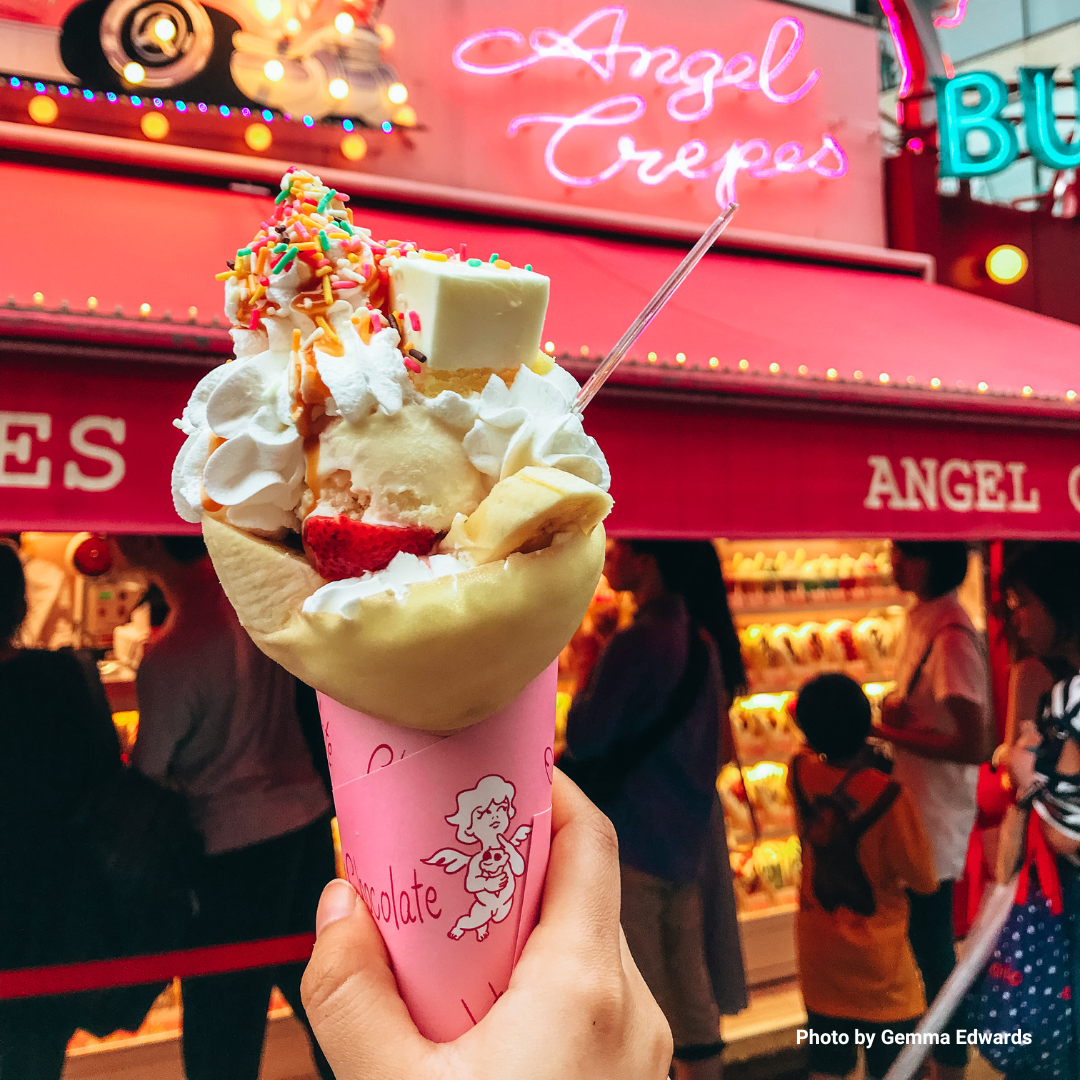
Harajuku Crepes
Harajuku has a million crepe shops with a tonne of different flavours.
Some of the most popular flavours are matcha, cheesecake, and strawberry.
PRICE
Harajuku crepes can cost anywhere from ¥300 to ¥600+ depending on the toppings you select.

Melon Pan
A sweet, sugar-crushed Japanese bread.
You can pick these up for cheap in Japanese konbini, or get specialty melon pan at the famous Asakusa Kagetsudō.
On Mt Fuji’s 5th level, you can even get a Fuji-shaped melon pan!
PRICE
Melon Pan can cost anywhere from ¥128 to ¥200 depending on where you go.
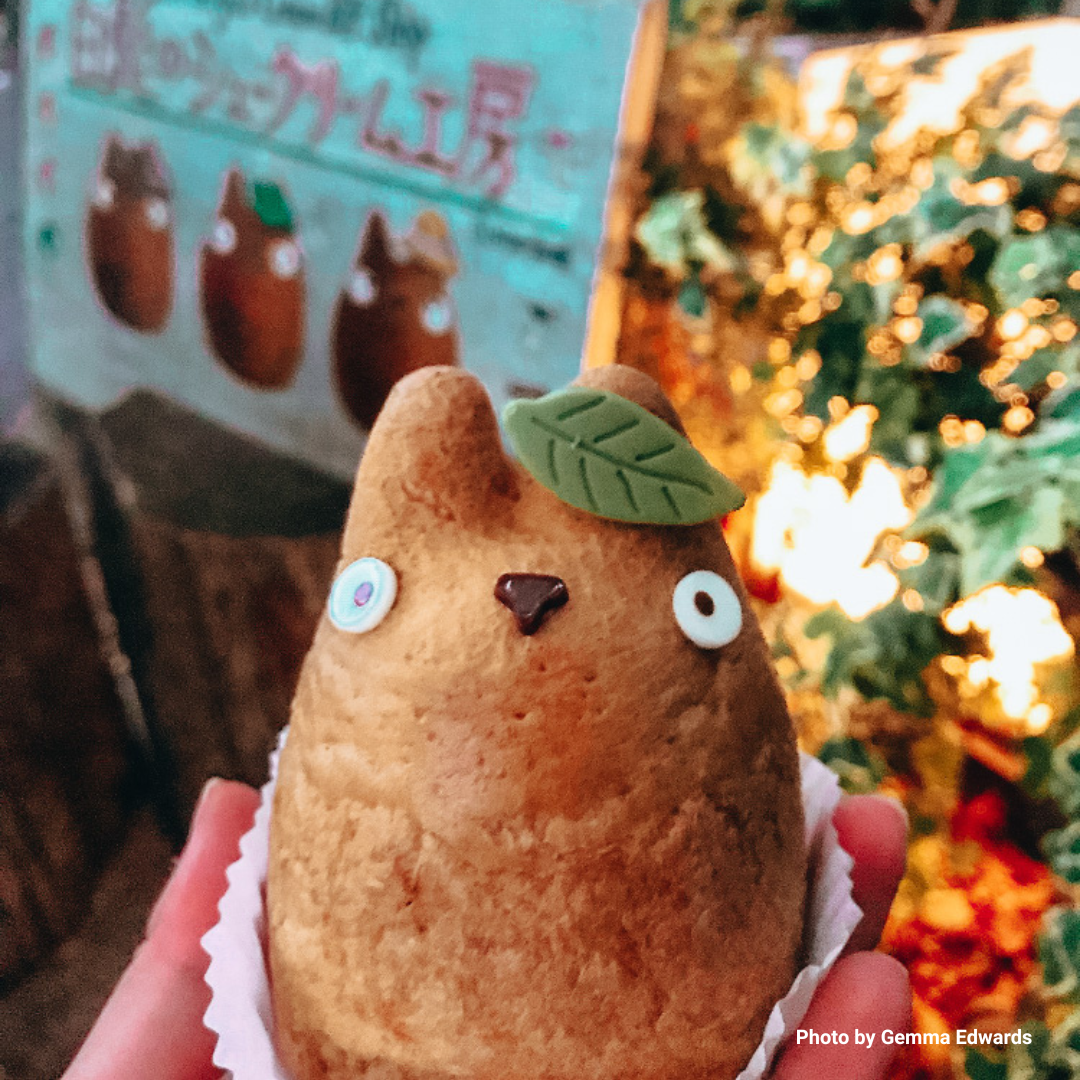
Shuukuriim aka. Japanese Custard Cream Puffs.
These are one of the most popular sweet treats in Japan!
The Japanese version of a profiterole, these are buttery choux casings with a delicious, rich custard filling.
You’ll find these in any konbini, or can visit Totoro Cream Puff Factory for a Ghibli-inspired dessert!
PRICE
Shuukuriimu usually sit around ¥200 - ¥500.
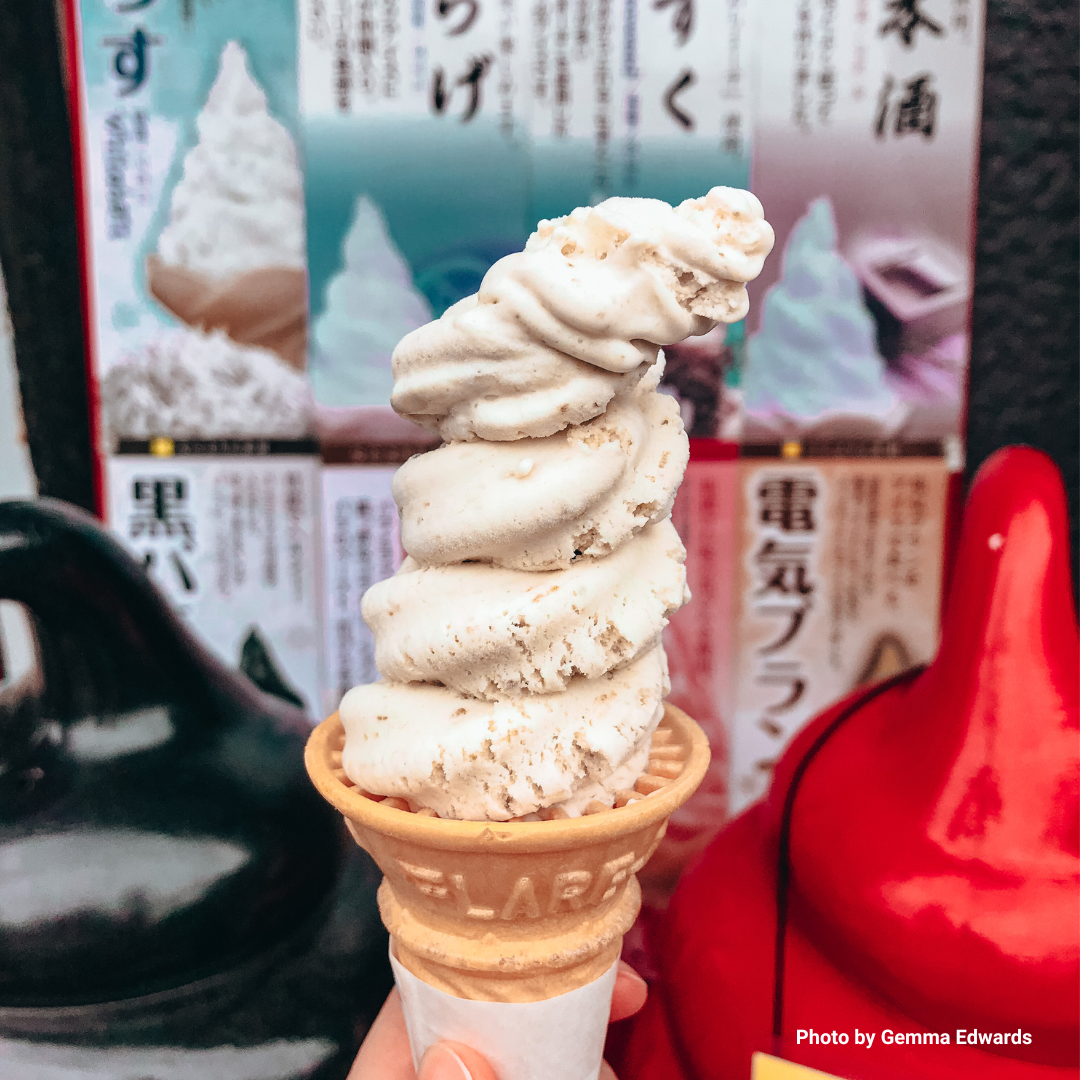
Seasonal Flavoured Soft Creams
Japan is known for its funky flavoured soft serve ice creams!
Japanese regions often have a local specialty food, and the dessert usually reflect this, e.g. wisteria at Ashikaga Flower Park, wasabi in Shizuoka, and more!
PRICE
Usually around ¥330 to ¥550+.
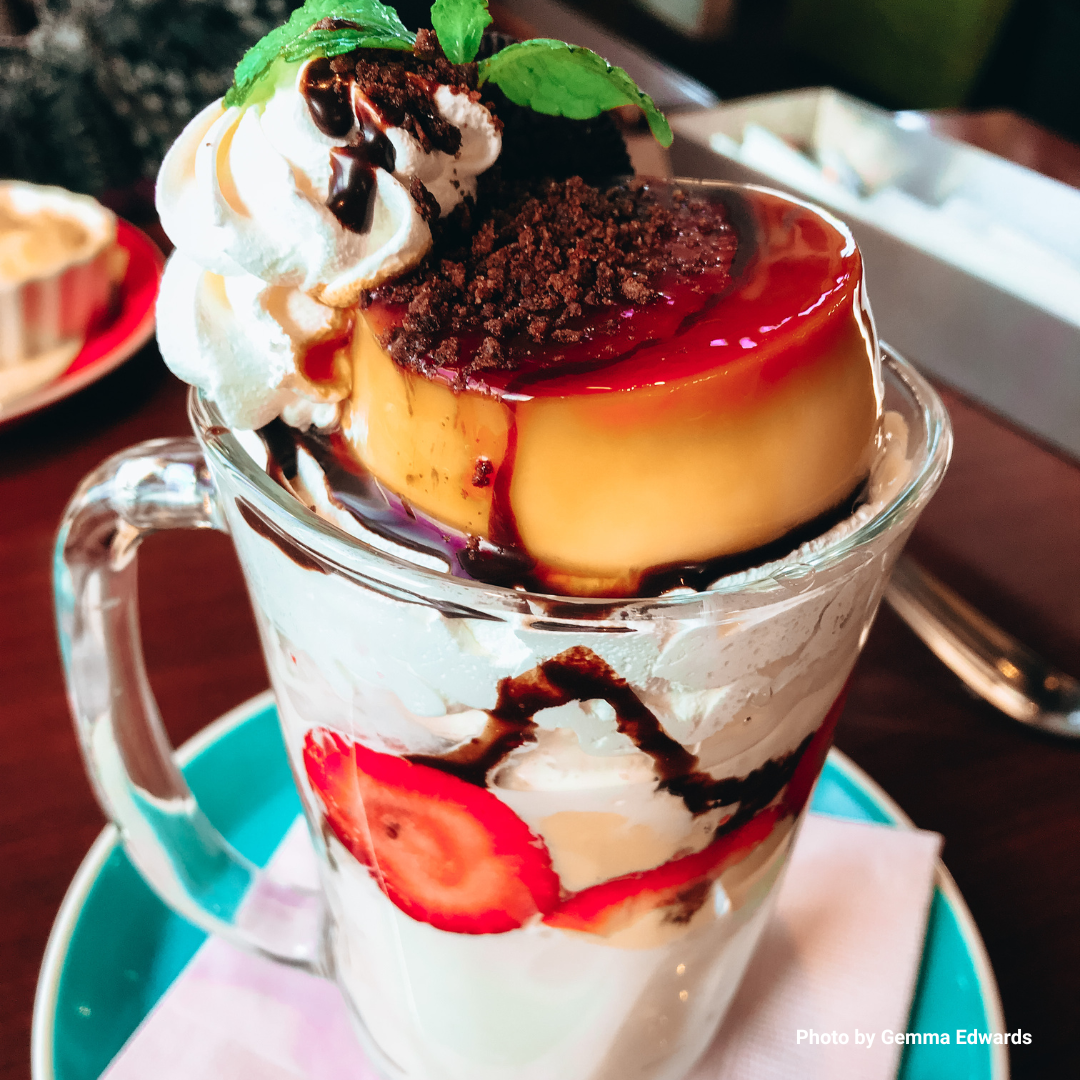
Parfaits
Sometimes called the king of desserts, parfaits are served in a tall glass and filled with various mini desserts, often reflecting the season – white peach in summer, sweet potato and chestnut in autumn, strawberry in winter, and of course, sakura in spring.
Don’t forget to also try traditional Japanese flavours like matcha (green tea), hojicha (roasted green tea), kuro goma (black sesame), and azuki (sweet read bean). Japanese souffle cheesecake is also a common parfait topper, as is Japanese Purin (custard pudding).
PRICE
Price varies - mini parfaits at konbini can range from around ¥400, while regular parfaits at cafes range from ¥900-¥1300. Giant luxury parfaits can range from ¥2700+
Your guide to budgeting for your Japanese holiday
How much does Japanese food cost?
Food in this beautiful country is surprisingly affordable (when compared to food in Australia), especially when you consider how absolutely delicious it is.
Whether you're looking for a ramen lunch, a tempura dinner, or sushi, it's usually pretty budget friendly, with many meals priced at around ¥980 to ¥1500 Japanese Yen (roughly $10ish to $20ish AUD depending on the exchange rate at the time), plus perhaps a drink or two of course.
Some examples of Traditional Japanese Cuisine (and their prices)…
- Washoku (traditional meal comprising of lots of small dishes) is around ¥500 to ¥1500+ JPY, which is around $5 to 18ish AUD.
- Udon (Japanese thick wheat noodles) is around ¥500 to ¥1000+ JPY, which is around $5ish to $12+ AUD.
- Okonomiyaki (Japanese savoury pancake) is around ¥400 to ¥800+ JPY, which is around $4ish to $10+ AUD.
- Ramen (tip: ramen differs from region to region!) is around ¥600 to ¥1200+ JPY, which is around $6ish to $14+ AUD. For the vegetarians, there are also a few vegan ramen restaurants around, especially in Tokyo, which cost around ¥1300 JPY.
- Sushi (tip: sushi trains are cheaper than sushi restaurants). You can find certain sushi trains for about ¥105 (just over a dollar) per plate!
TRAVELLING ON A SHOESTRING BUDGET
If you're really on a shoestring you can also just grab some delicious snacks at your nearest konbini (convenience store) and have full stomach with only a couple hundred yen (¥100JPY is about $1.20ish Aussie dollars). If you're really hunting for a bargain, you can also check out the Depachika (basement floor of department stores) and supermarkets for cheap meals, especially post peak-hour.
TRAVELLING ON A LUXURY BUDGET
And for the ballers on a luxury holiday? Tokyo is the fine dining capital of the world, with 263 Michelin Star restaurants as of 2023. A tasting menu at a two-star or three-star Michelin restaurant in Japan can cost anywhere between ¥40,000 and ¥50,000 JPY (in Australian Dollars, this is around $485 - $605). If you're going, take me with you?
Other Daily Expenses
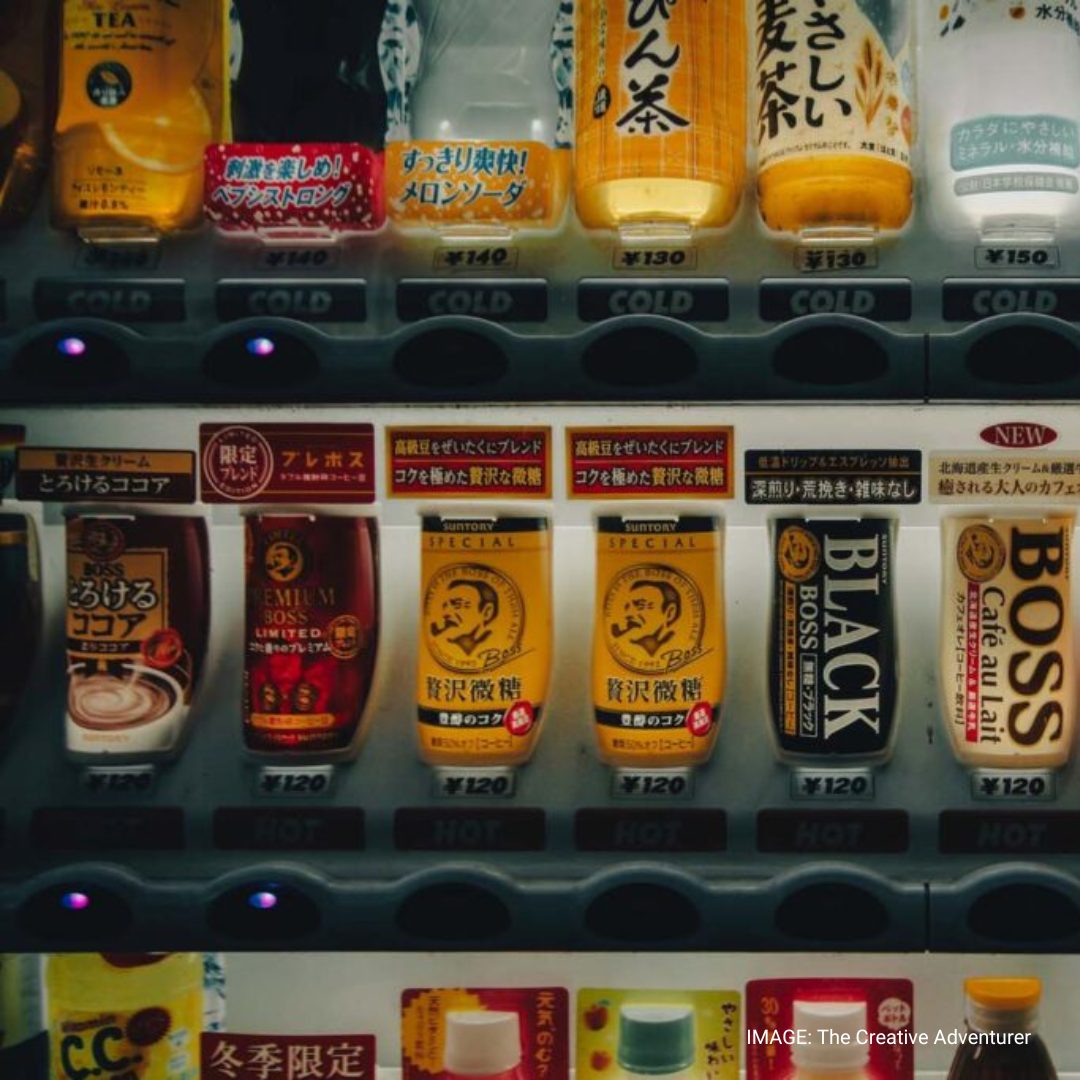
Coffee
A novelty in Japan is Vending Machine Coffee. It's pretty tasty!
PRICE
Coffee from the vending machine (hot or cold!) only sets you back around ¥120.
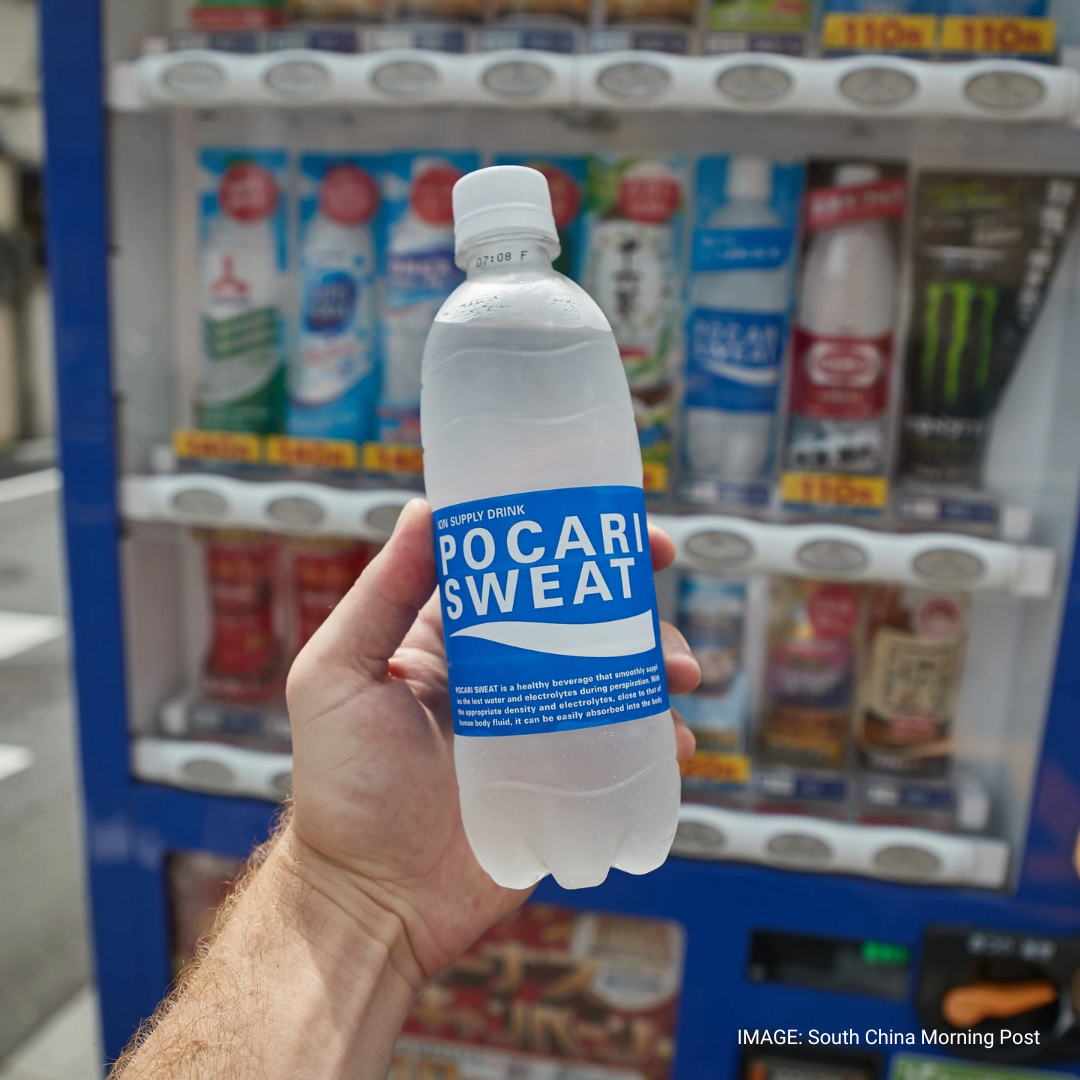
Water
Water in Japan is safe to drink, so you can always go for tap water for free.
PRICE
Bottled water costs around ¥120, or another option special to Japan are sports drinks like Pocari Sweat, Aquarius, or Calpis, which cost around ¥150.
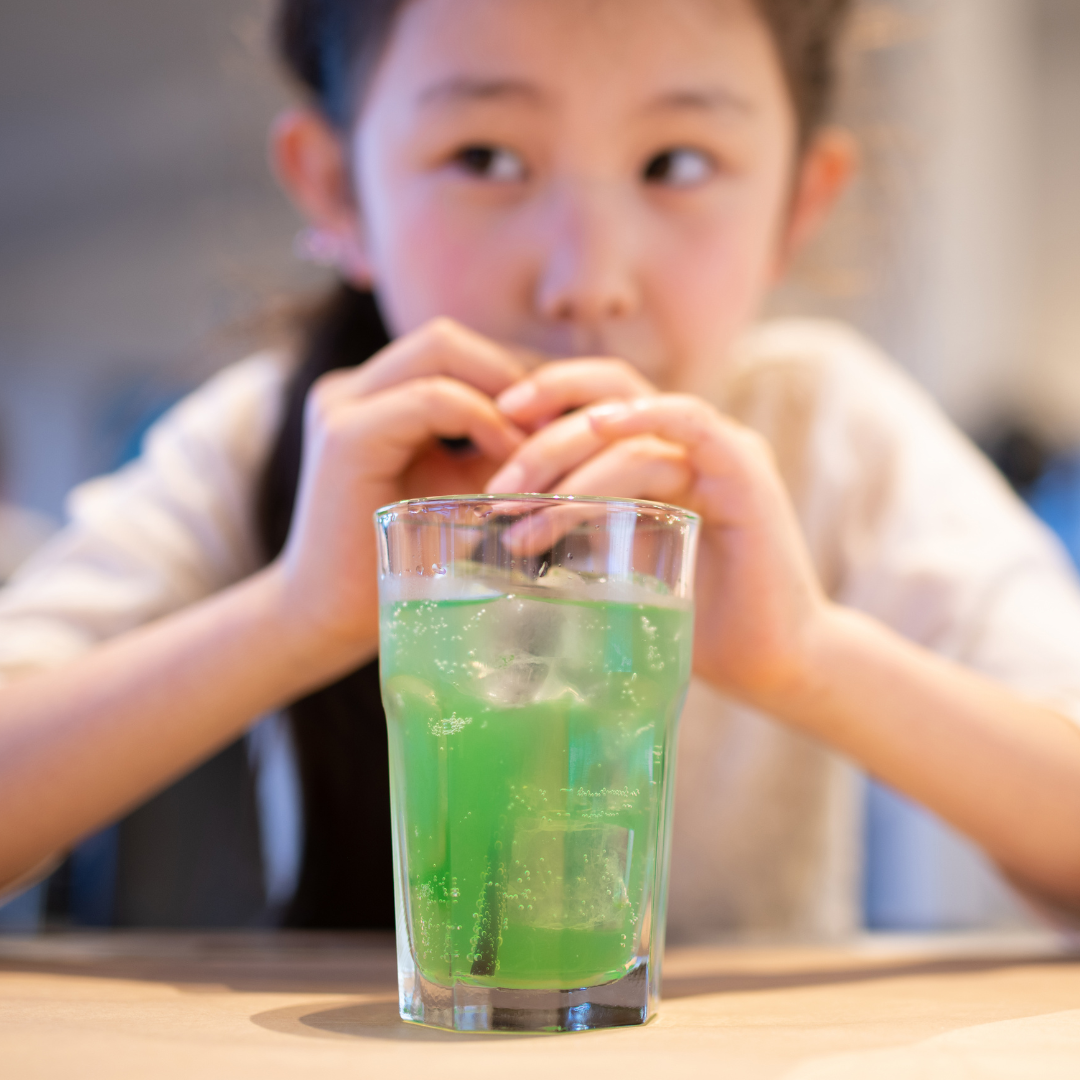
Soft Drink
More of a soda person? Try Japanese Melon Soda!
It's a unique, sweet flavour and a crowd favourite.
PRICE
Find it in vending machines, konbini stores, and supermarkets for around ¥150.
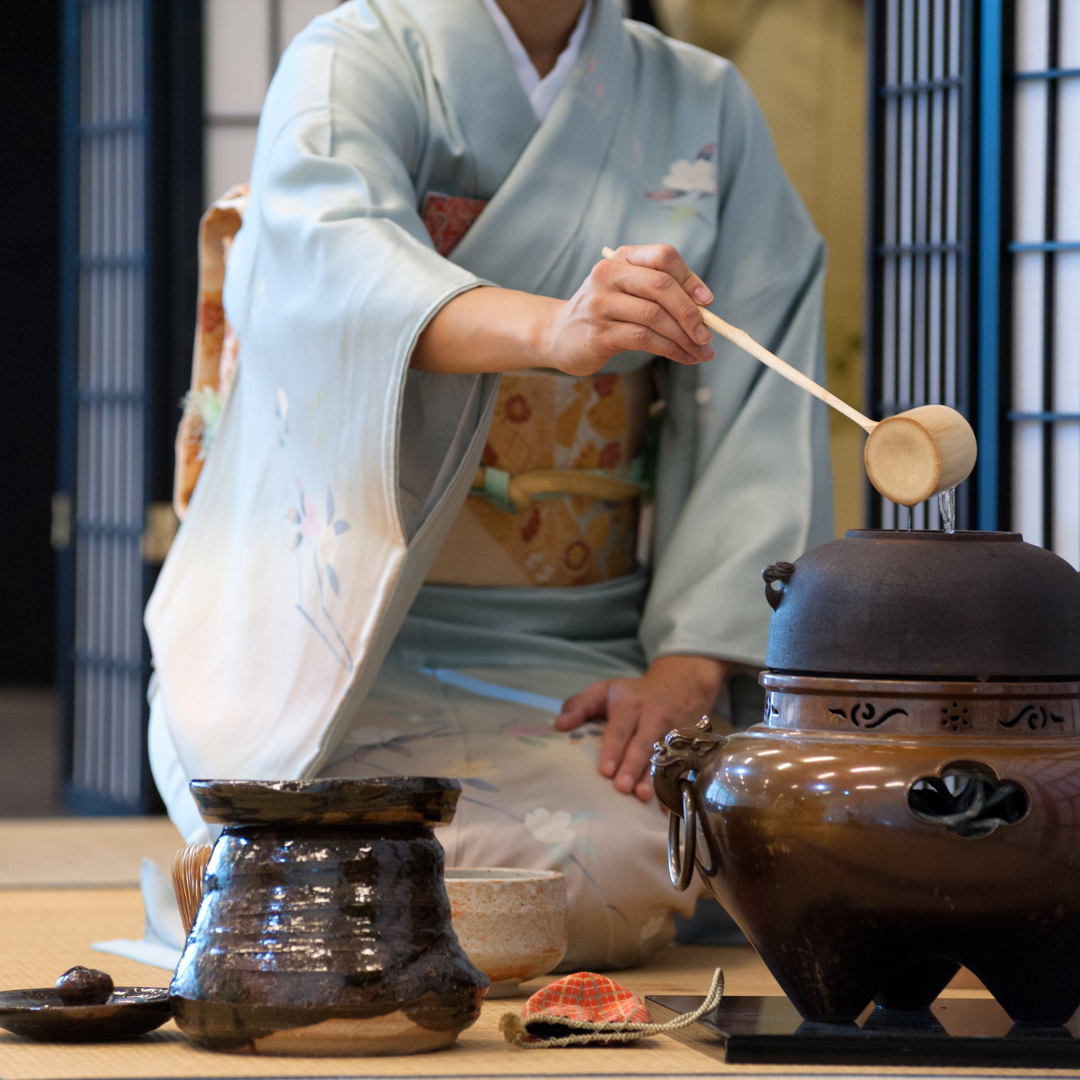
Tea
You can't go to Japan without drinking some Japanese tea - whether it be a matcha tea ceremony in Kyoto or a bottle of Royal Milk Tea from the vending machine... and yes, vending machines dispense both hot and cold drinks. Pretty phenomenal!
PRICE
Vending Machine Tea is around ¥150, while a Tea Ceremony experience ranges from ¥2,400 yen to ¥10,000 (around $20-100+ bucks)
Transport
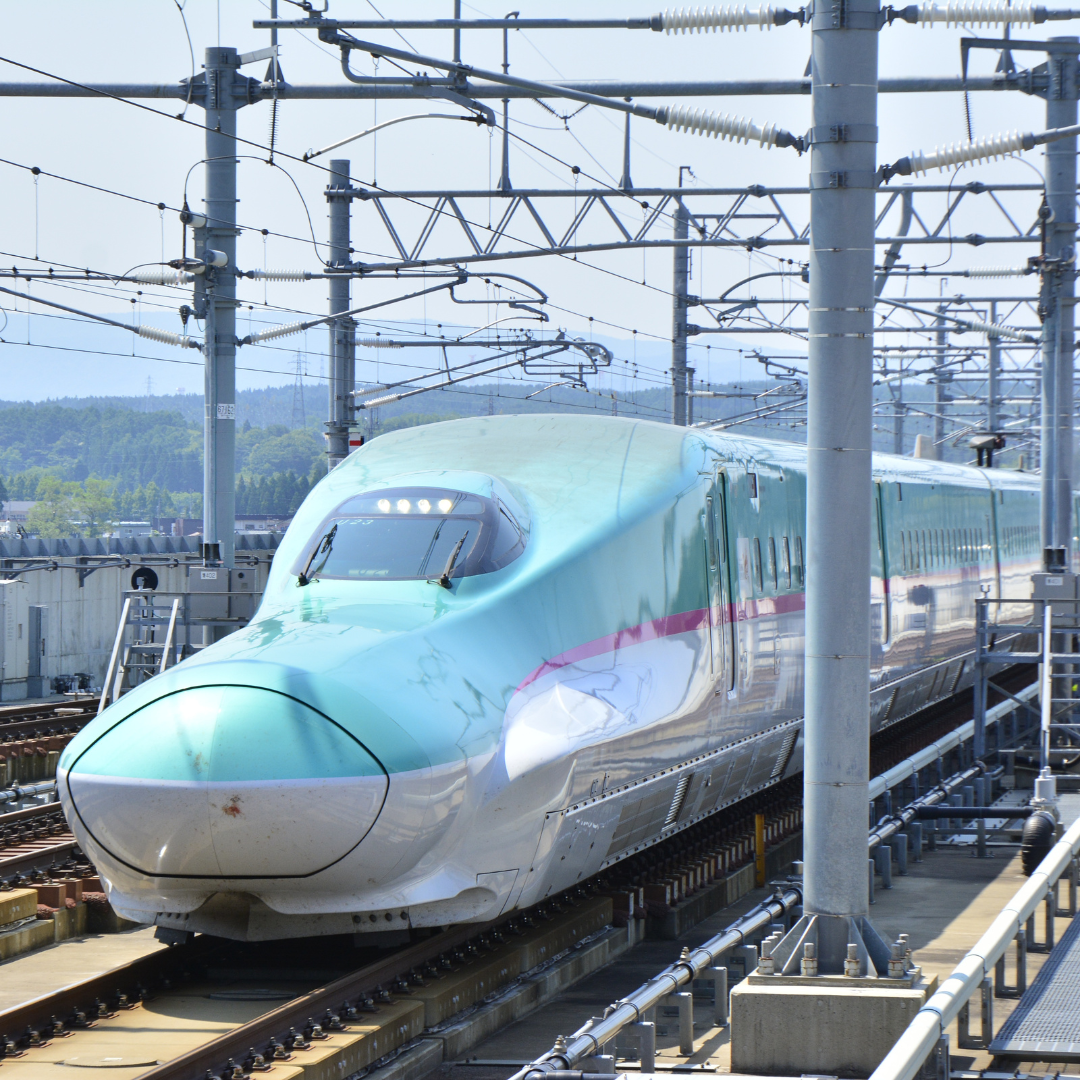
To get around, you'll probably have a mix of public transport and taxis.
Tourists often grab the Japan Rail Pass if they're doing lots of travelling across Japan, which gives you unlimited use for a set amount of days.
PRICE
Taxi - budget for about ¥4090 JPY ($50 AUD) on a busy day
JR Pass - ¥29,650 ($363 AUD) for a 7-day pass as of 2023.
Your Total Japan Holiday Budget
Here’s a very loose guideline for what we would spend in Japan…
BUDGET: Around ¥6000-¥8000+ Japanese Yen ($60-80+ AUD/day)
MODERATE: Around ¥12,000-¥15,000+ Japanese Yen ($120-$150+ AUD/day)
LUXURY: Around ¥16,000-¥25,000+ Japanese Yen ($160-$250+ AUD/day)
... but everyone is different! No two people travel the same.
It's why we have our free Travel Money Oz Holiday Budget Calculator! You just punch in your holiday deets, some very clever robots do the math for you, adding crowd-sourced Numbeo* data from around the world with our exchange rates, so you know just how much holiday spending money you'll need to take.
Get the Japanese Yen you need for your holiday
If you’re visiting Japan, whether it be for the stunning cherry blossoms, the powder snow, the theme parks, or autumn leaves, we’ve got the Japanese Yen you’ll need for your holiday!
Come and see us in store and chat with our experts for tailored advice, or order online with same day delivery or click and collect.
Looking for more inspo?
Check out our socials, online currency guides and inspirational blogs. For updates, and advice delivered straight to your inbox, join the Travel Money Club.
SOCIALS: Instagram @travelmoneyoz Facebook @travelmoneyoz TikTok @travelmoneygroup and YouTube @travelmoneygroup.
DISCLAIMERS
All costs are based on estimated approximate costs from major metropolitan cities and exchange rates as of March 29, 2023 with minor updates in March 2025. Average prices indicate a typical estimated cost you would pay for the indicated item. Prices may vary from time to time, and in different cities and towns within Japan.
This blog is provided for information only and does not take into consideration your objectives, financial situation or needs. You should consider whether the information and suggestions contained in any blog entry are appropriate for you, having regard to your own objectives, financial situation and needs. While we take reasonable care in providing the blog, we give no warranties or representations that it is complete or accurate, or is appropriate for you. We are not liable for any loss caused, whether due to negligence or otherwise, arising from use of, or reliance on, the information and/or suggestions contained in this blog.
About the Author
